
Translator: Davood Salehan
Source: rasekhoon.net
Source: rasekhoon.net
Speaking about the celebration of "Sizdah Bedar", like other ancient and national celebrations in Iran, has the need for more research and a long introduction, especially a celebration with this extent of holding and long history that this area and time of profound changes in the ritual and ceremony of this day has made.
In this regard, it has been tried that we gather the most intellectual and most documented speech, documents and attitudes in this area. It is better to start that provide a preface about the number 13 and thirteenth day and whether this number and this day in Iran and Iranian culture has been crossed or not:
First, it should be noted that in the Iranian culture, none of the days of the year has been counted as “Malevolent" and "sinister" or "evil”. But if you know each of the days, weeks and months have had and have beautiful name and in connection with one of the manifestations of nature, or gods, And the thirteenth day of the solar month in the Iranian calendar is called "shooting days" that belongs to the Tishtar Star, which is the rainy star and Iranians due to its auspicious have chosen this day as the first Tiregan celebrate for the year.
Also, in none of the ancient texts, and no scientist and writer have not written a bad memory in this day, but in most articles and books, it is cited the thirteenth day of New Year as auspicious and blessed day.
For example, in the book of "Asar Albaghiyeh", there is a table of days in which is defined blessed and crossed days and in it in front of the thirteenth day of Nowruz has been written the "Saad" word which means good and auspicious.
But after the influence of the European culture during the reign of the Safavian this entered to our culture because in that culture, the number 13 was considered unlucky and still with progressing in science and technology in Europe, this superstition deeply exists in the hearts of many Europeans that compared with Eastern superstition, their number of them is not less. Also there are many other examples like "having a bad day to see black cat", “probability of having evil events after the passing under the ladder" or "being evil if put the keys on the kitchen table" “horseshoe brings good luck " and many other superstitions that fortunately, have not entered into our culture until now and we are laughing to them.
But the only thing that exists in the Iranian culture and we can find about the number thirteen, is "Bad mood" of the number 13 because we cannot divide it (This is a sign of the Iranian knowledge about the mathematics and its application in their everyday life.)
But when we care more about the good and auspicious of this day, we find a lot of reasonable and documented resources with the historical record.
As noted above, the thirteenth of the Farvardin month that is called the shooting day and belongs to the angels or Amshasepand or Izad Sepand (holy) and is honorable which in the Pahlavi texts and in the Avesta is called tishter and the big celebration of the shooting day Since the Tir Month that is Tiregan Celebration is its name.
In the book “Almahasen va alazdad” is said:
1. "... In the courtyard of the Royal Palace twelve pillars of raw bricks were built which in each of them planted one of the twelve crops and were closed with the thing which is woven from the wool of sheep that has six episodes and this that each of them become twelve fields that totally become seventy-two threads. "The number of six refers to the six Gahanbar and the number of twelve recalls to twelve months and also the seventy two refers to seventy two season of Yasna.
The history of Sizdah Bedar
As know the background of Nowruz celebrations since Jamshid’s period, about Sizdah Bedar also say this story that:1. "... Jamshid, the king of Pishdadi set up tents in the thirteenth day of Nowruz in the green desert and he did it for several consecutive years that as a result, this event in the country of Iran become a tradition and ritual and Iranians since then hold Sizdah Bedar out of the house, beside with springs and near the nature ... "
But to examine the antiquity of Sizdah Bedar celebration from written sources, all relevant sources imply that these have related to the Qajar era and these have reported to hold Sizdah Bedar in Farvardin or Safar. Therefore, some researchers have assumed that this celebration does not have antiquity more than two centuries.
As previously mentioned, diversity of the methods of holding a ceremony and wider expansion range of a belief among peoples, Based on the rules of Anthropology and popular culture is indicative of the high antiquity of it. Also the similar ceremonies that we are aware of it according to Sumerian and Babylonian inscriptions, New Year's ceremonies in Sumer with the name of “Zigmoog” and in Babylon with the name of "Aktiv" has been twelve days and on the thirteenth day, celebrations were held in the arms of nature and thus this is thought to be that Sizdah Bedar has a history at least four thousand years.
Methods for holding the ceremonies of Sizdah Bedar
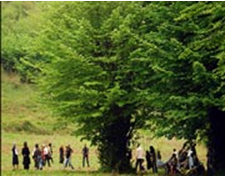
As mentioned, methods for holding this celebration and also the ceremonies and rituals of this day is very wide and different that here we cannot notice to it in detailed, But as we know, the thirteenth day of Farvardin is called Tishter day and is the beginning of the second semester of agriculture and Iranian peoples to prayer and tribute Tishter, The god of rain and promising a good year, went to their fields and farms and danced in the lush and verdant land with the full of flowers and desert plants and were not neglected from collecting the desert grass and cooking Aash and special foods. The other part of the ceremonies of Sizdah Bedar are also some beliefs that somehow are linked with the fate and destiny. For example, secretly listening to the words, Fortune-making (especially omen of jug), tying the vegetables and opening it, the solving of chance (Which is common in Samarkand and Bukhara) and numerous other examples...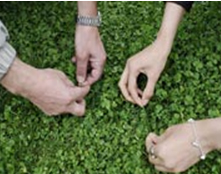
Tying the Grass
The myth of creation in ancient Iran and the issue of first human and the first king and knowing some narrations about the "Kiomars" has great importance. In "Avesta" are took several times about the Kiomars and is called him as the first king and the first human.Remarks of “Hamze Isfahani” in the book “Seni Molouk Alarz va Alanbia" Pages 23 to 29 and remarks of "Masoudi", in the book "Moravej Alzahab” Second volume Pages 110 and 111 and "Birouni" in the book "Asar Albaghiyeh” is based on that awareness which are in the source of Pahlavi as this:
"Mashie" and "Mashianeh" who were twin boy and girl of Kiomars, in the thirteenth day of Farvardin were married for the first time in the world. At that time because marriage and marital were unknown, those two by tying the two branches of a special tree established the basis of their marriage and because the ancient Iranians knew from this secret well, this celebration especially was Performed by girls and boys who were ready to marriage. Nowadays also boys and girls ties the grass for closing their marriage promise.
This tradition almost was forgotten since "Kianians" and again was started at the time of "Achaemenids" and has remains until today.
In the book "Majmao al-tawarikh" has been stated:
1. "... The first man which appeared on the ground, Parsian was called him "Flower King", because his kingdom was only on the flowers, so he was a boy and a girl who were called "Mashie" and "Mashianeh" and they married in the thirteenth day of Nowruz and during fifty years created eighteen children and when they died, the world for Ninety-four years did not have any king".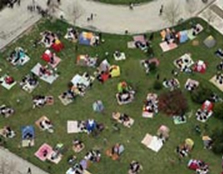
If in the past our mothers and fathers has been taking their spring grass in this day to the desert and for respect to the land and plants have been planting it in the arms of land, today, we are throwing it toward each other and are fragmenting it. Sizdah Bedar of our ancestors has been a day to praise and prayer to ask for abundant rain in the years ahead, to commemorate and the cleanliness of nature and its manifestations and their sacred environment. While todays is the day of destruction and decay of nature!
/J
.jpg "Beautiful Nature")
.jpg "Beautiful Nature")
.jpg "Beautiful Nature")
.jpg "Beautiful Nature")
.jpg "Beautiful Nature")
.jpg "Beautiful Nature")
.jpg "Beautiful Nature")
.jpg "Beautiful Nature")
.jpg "Beautiful Nature")
.jpg "Beautiful Nature")
.jpg "Beautiful Nature")
.jpg "Beautiful Nature")
.jpg "Beautiful Nature")
.jpg "Beautiful Nature")
.jpg "Beautiful Nature")