
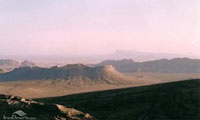
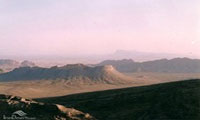
Kolah Ghazi National Park is located in Isfahan, between E5145 to E5215 of east and N3200 to N3230 North latitude. Its area is about 47,142 hectares
Vegetation: Figs, peanuts, pomegranate, jujube, Wake robin, willow, Khar Shotor, sagebrush, antibacterial, broomrape, Sheng, a variety of grasses, Muscari, tuberose, Celine, different kinds of Gavan, wheat, salt grass, snake grass, rhubarb , sainfoin, Choobak.
Mammals: goats and sheep, rams and ewes, deer, rabbit, tiger, wolf, hyena, cheetah, fox, jackal, porcupine, wild cat.
Birds: Kabk, Tihu, grouse, raven, wrens, Warbler, Blackbird, red tip raven, magpie, sparrow and eagles.
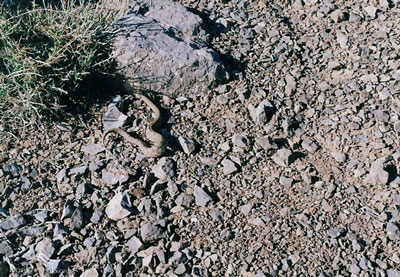
Reptiles: Adder, Horned serpents drink, lacy snake, leopard snake, lizard, turtle.
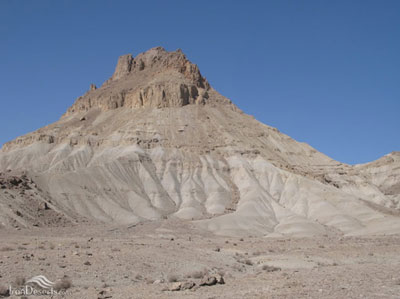
Kolah Ghazi Mountain is a part of Mahdasht Mountains. Highest mountaintop is 2534 meters located in east south of Esfahan, with shape like traditional Hat of judges in past. Kolah Ghazi Mountain is a banned hunting of protected areas and wildlife refuges, with various wildlife management stations. There are many sources on the slopes of Mountain for use of protected herds of goats and Pazanan. Usually climbing the mountain is from Lashotor neck in 30 kilometer away from Esfahan in shahreza-Esfahn road. This mountain has numerous north and south valleys and its appellation is obvious as has mountaintop and from Esfahan it seems like a traditional hat of judges.
Kolah Ghazi Mountain has high walls with stones and rocks suitable for climbing, therefore, has been considered by climbers and different paths has opened on it. In a valley called Shahin valley at the east south of mountain, Esfahan mountain Chakad climbing group effort to build variety of educational pathways which now 18 different pathways has opened.
Access road
Access to walls is possible from Darvazeh Shiraz square in Esfahan by exclusive cars or cars in the pathway of Mobarakeh or Shahreza. (Before Police, should get off the car).Kolah Ghazi region under certain conditions from has been wildlife habitat from long past and has a long history. As noted in history, from Shah Abbas era and after that especially in Qajar era, the mountains has considered as hunting grounds for the kings. In the late nineteenth century, zelo Sultan, the grand son of Naseredin Shah, who was many years as Isfahan governor has mentioned Kolah Ghazi and Shahkooh in his book as beautiful and rich hunting grounds. Regarding to good and notable ecosystems and habitats, Wildlife management and supervision of the Supreme Council of Fishing in 1968, by some resolutions introduced Kolah Ghazi heights as Kolah Ghazi protected area.
This area due to ecological diversity, conservation of biodiversity, protection of genetic resources and the conservation of natural balance and also decreasing disorders resulted from activity of industrial and demographic effects, enjoying beautiful landscapes of mountain areas and foothills, variety of plants and species several wildlife fauna and scientific, research, economy and tourism interests is valuable to be a national park.
Thus, after many ups and downs, finally in 1995 with continuous tracking and very low conflicts, i.e. no land owned by natural and legal persons and by resolving the problem of ranchers by institutions of the Council of Agriculture of Isfahan, with the predictive validity for accommodation of nomads by Isfahan Department of Tribal Affairs and confirmation of state officials, in Act No. 07.06.74 by the Supreme Council for the Environment, Kolah Ghazi mountain introduced as the national park.
Geographical location: Kolah Ghazi national park with area of 50 hectares is located in east south of Esfahan and Isfahan- Shiraz road passes the northern and western sides. Northwest corner of the park, which is the nearest corner, is 36 kilometer far from Esfahan. In these areas there are parallel mountains with northwest to southeast direction. The park consists of Sheidan mountain in Kolah Ghazi mountains. The name of mountain originated from two stone heights which both from both sides with steep slopes end to the plain and raise like two stone towers.
Vegetation:Kolah Ghazi national park is a rocky area and in addition to Herbaceous vegetation, has trees and shrubs grow in different places of valleys and foothills and make the appearance of area green freshness of special effects. Different type of shrubs grows in park including: Sagebrush, wheat flower, anemone, thyme, wild tulips, antibacterial, and Khar Shotor trees and Tangers, peanuts, figs and mastics. Also medicinal herbs including Choobak, alyssum, calendula, rhubarb, Daphnia, borage, Sheng, toxic chicory grow in the park.
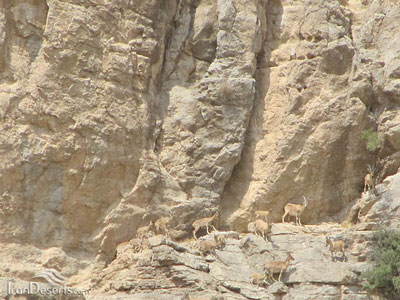
Kolah Ghazi National park is home of many species of mammals, birds and reptiles that some of them are very valuable and some are in danger of extinction and are under sever protection. Among the mammals found in the park are as follows: goats and sheep, rams and ewes, deer, rabbit, tiger, wolf, hyena, cheetah, fox, jackal, Dopa, rabbit, porcupine and different type of mice. More than 40 species of birds have been identified in the park that some are native, some immigrants or spring and summer and winter migrants and some are passengers.
The most important species of birds are golden eagles, hawks, Common buzzard, Kabk, Tihu, Swallow, jabber, Kamarkoly, wild pigeons and grouse pointed. Species of reptiles include; tortoise, desert lizard, Agama species, snakes and asp.
History of conservation of the zone since the beginning
royal hunting ground from Safavid and after, specially in Qajar and governing of Zelo Soltan in Esfahan1346: introducing current area from Kolah Ghazi to Sofeh Mountain at the west south of Esfahan as exclusion zone by Wildlife management and supervision of the Supreme Council of Fishing
1348: Divided in half, one part as the wild Park (area of Kolah Ghazi) and one part as a protected area
1354: Degradation the conservation level of wildlife to wildlife refuge
1369: Declared the protected area as the free area
1374: gradating the 47,184 hectares for National Park and 3227 hectares as the wildlife refuges by the Supreme Council of the Environmental Protection Act
General location
East south of Esfahan, near the Baharestan TownArea: 50,911 hectares
General appearance and properties
Topography:
Range of height from 1350 to 2534 meter and average height of area is 1720 meter. Two mountains called Sheidan in the north and Kolah Ghazi Mountains in the West and South.Landscape: mountain -plain
Vegetation:
Include; 70% grasslands, 5.0% farmlands, 25.8% rocky outcrops, 3.1% bare lands. Shrubs grow in the region and main type of vegetation is sagebrush prairie. About 252 plant species have been reported for this region:Indicator Plant species
Artemisia siberi, Anabasis aphyla and Ferula assa-foetida, species threatened with extinctionGeneral condition of wildlife
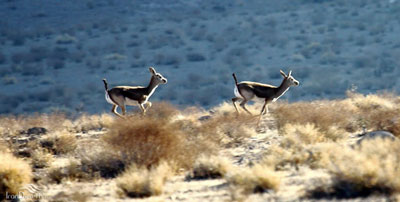
Predominant couple nail in area is goat and then Persian deer. According to the last census (2011), population of couple nails is as following:Goat: 1862, Persian deer: 1551, rams and ewes: 58
Indicator species: wild goat, Persian deer, ram and ewe, Leopard, wolf, Kabk, Tihu
corridors: Unfortunately, this area due to variety of applications around it, has island shape.
Ecotourists attractions
Kolah Ghazi Mountains attract many nature tourists and climbing groups. The main factor of visiting students, scholars and investigators is fossil store in area.Wildlife species, both flora and fauna in the area are factors of attracting researchers and students.
Economical and general condition: There are no human settlements in the region.
Major conflicts
Interference between the privacy and the legal limitation of Baharestan town and Mohammad Abad with Kolah Ghazy (legal procedures are being followed to resolve conflict)Shahreza-Isfahan Highway crossing into National Park, existing of Lashotor quarries in wildlife area, permissions of grazing belonged to Jarghooieh nomads in south grasslands of area, that despite the withdrawal of animals from the Environmental Protection Agency has not attempted to pay ranchers law
Why Jarghoye butterflies belonging to the tribes in the south range that despite the withdrawal of animals from the Environmental Protection Agency has not attempted to pay ranchers’ law.
Equipment and facilities
Lashotor head environmental monitoring, located in west north of area along Esfahan-Shahreza road, Lagour Station and visitor center equipped with accommodations and a long board camera, located in south of Mohammadabad environmental monitoring station in east of area and beside the Mohammadabad, Cheshmeh Tuti monitoring posts, Qarneh, big hats used for night tours, five cars and seven motorcycles.Other considerations
The rest of national park and wildlife area is around 47,000 hectares. The existing quarries located in wildlife refuge area.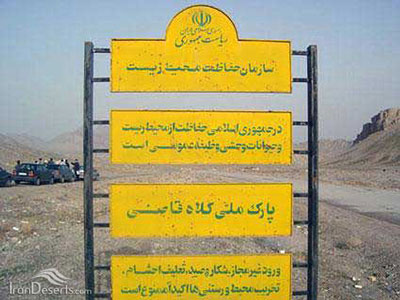
/J
.jpg "Beautiful Nature")
.jpg "Beautiful Nature")
.jpg "Beautiful Nature")
.jpg "Beautiful Nature")
.jpg "Beautiful Nature")
.jpg "Beautiful Nature")
.jpg "Beautiful Nature")
.jpg "Beautiful Nature")
.jpg "Beautiful Nature")
.jpg "Beautiful Nature")
.jpg "Beautiful Nature")
.jpg "Beautiful Nature")
.jpg "Beautiful Nature")
.jpg "Beautiful Nature")
.jpg "Beautiful Nature")